Recent advantages in three-dimensional scanning can make seemingly impossible custom metal fabrications a little more possible. Companies can either hire third-party scanning companies, or they can take the plunge and invest in the scanning equipment for themselves. Either way, there are certainly many benefits to utilizing this technology on job sites.
It’s a Time Saver
Picture a room with a large curved overhead furdown that an architect wants to clad in sleek brushed stainless steel. The classic approach would have been to either (A) Make cardboard templates that could be taken back to the shop and drawn; or (B) Finding the center point of the curve to determine the radius and measuring the arc length, and using those dimensions to re-create the curve. Being overhead, either approach would have involved multiple ladders or lifts, and at least two people.
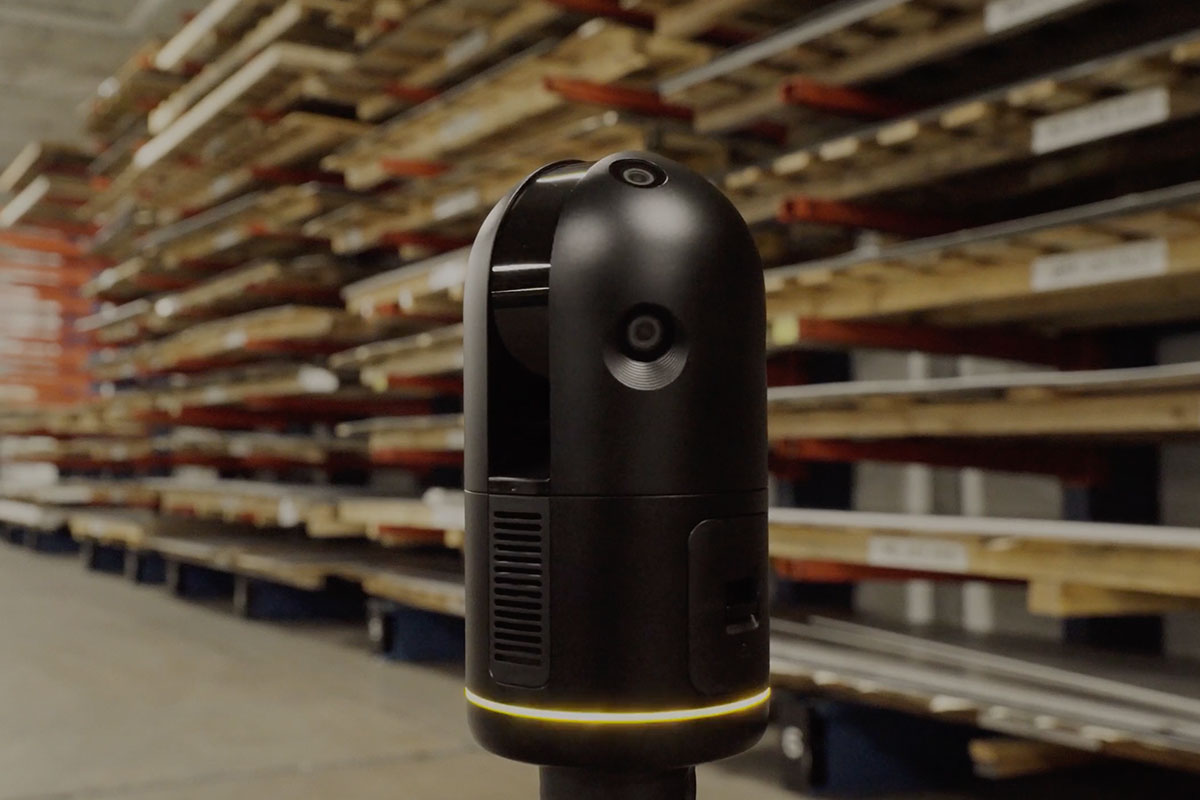
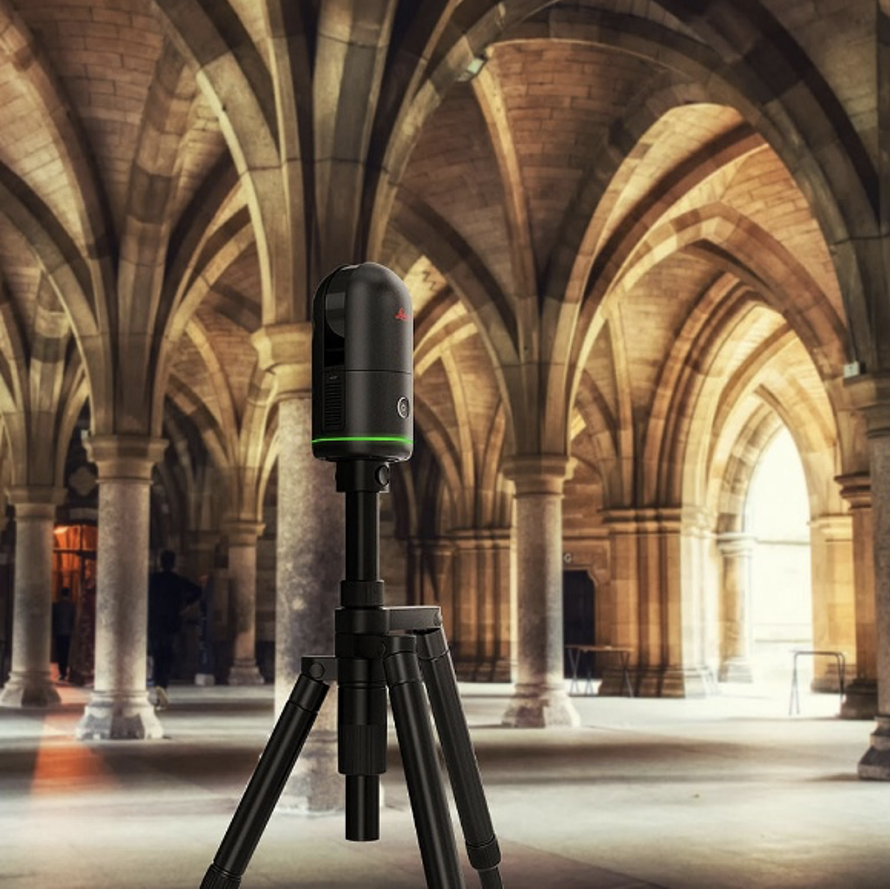
With a 3D Scanner, the measuring process is much simpler: make sure the view is unobstructed, set up the device on its tripod, power it up, and let it go to work! This will allow you to pick up every nuance of the surface within a couple of minutes, with data that can be taken back to the shop and imported into your CAD program.
2) It Is Accurate
In the past, metal fabrication companies may have been hesitant to trust scanned data. However, today’s devices can routinely measure complex contours within 1/16” of an inch, and some can achieve even closer tolerances. Simply put, the data is good and can be trusted.
3. It Can Pick Up Details You Missed On Site
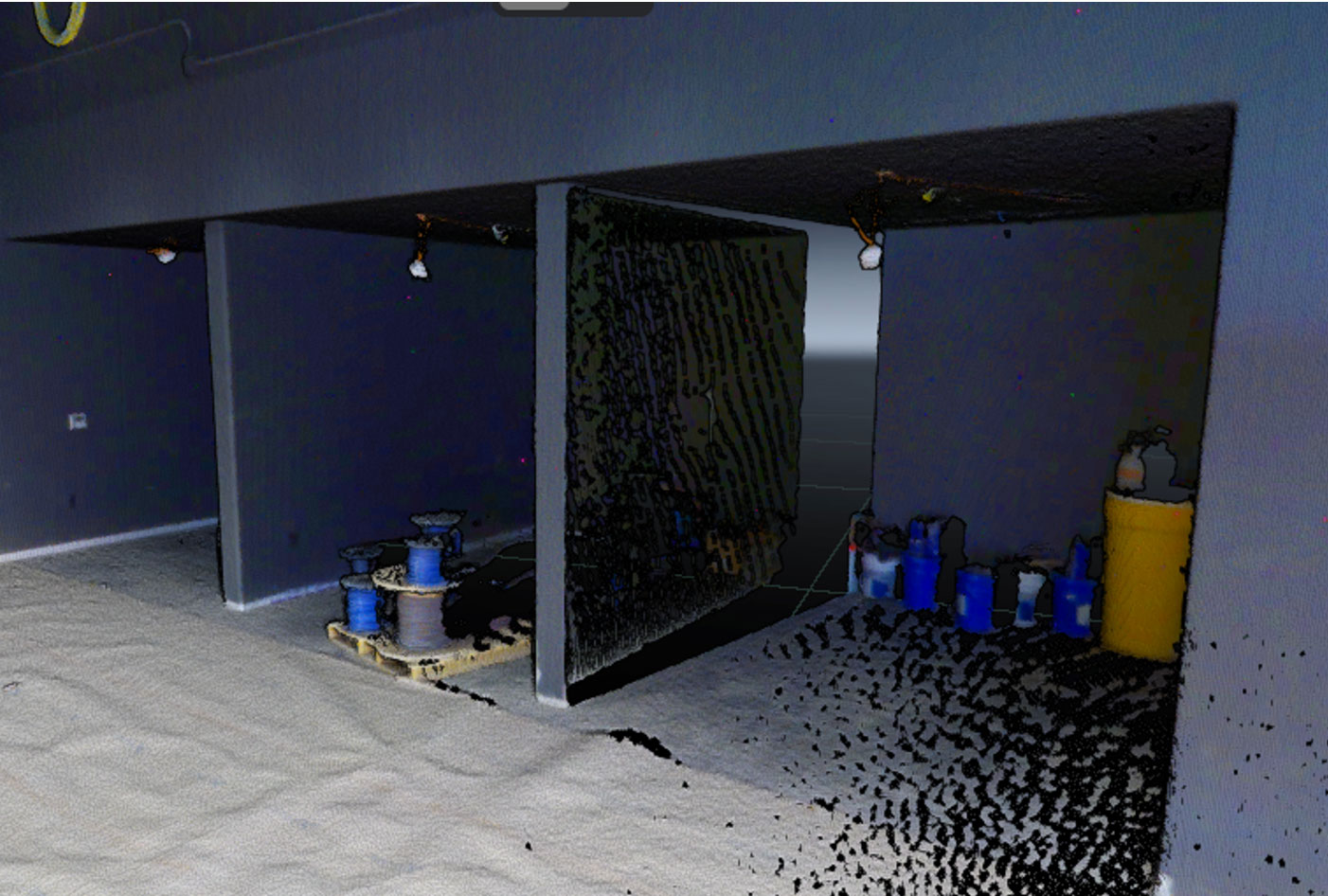
Human observations have limitations, and human memories are not perfect. 3D Scanners, on the other hand, pick up all of the details and do not forget them. As an example, when scanning a room on an out-of-town project to obtain dimensions, we got back to the shop and found that a wall had been prepped for metal base. The architectural elevation was unclear, and neither of the two employees sent to scan the room had noticed this detail. Review of the point cloud data kept us from missing this detail, saving lots of additional travel time, hassle, and expense had we gone back to install the project without this base in hand.
4. However, It Has Its Limitations
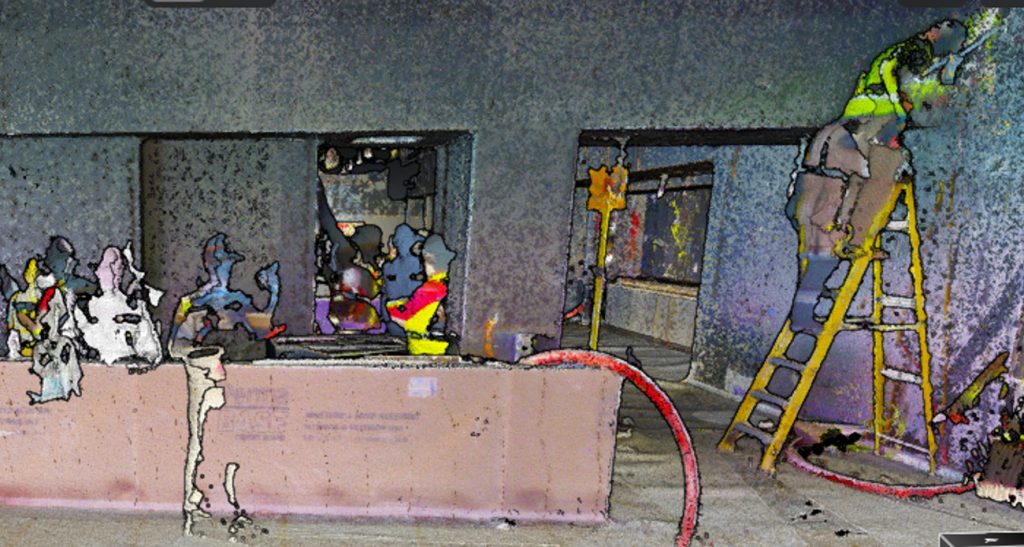
Why not just scan every job site, then? For one, scanners can have trouble getting accurate readings on reflective surfaces, unless additional steps are taken to reduce reflectivity. Also, if the job site is congested and filled with scaffolding or other tradesmen, they will be picked up by the scanners and may be in the way of the surfaces you need to scan. And finally, working with point cloud data in CAD does take time. For simpler details, getting out your tape measure and note pad may still be your quickest option.
When used properly, 3D scanning and point cloud data can be a game-changer for custom metal fabrication.