

09 Jun Tariffs and Architectural Metals: What Every Contractor Should Know in 2026
If you’ve priced a commercial construction project in the last year and felt like the numbers didn’t quite add up the way they used to, you’re not imagining it. Material costs have climbed significantly, and the primary driver for anyone working with steel or aluminum is tariffs.
Here’s a straightforward summary of where things stand, what it means for architectural metals specifically, and what contractors and project owners can do to manage the impact.
How We Got Here
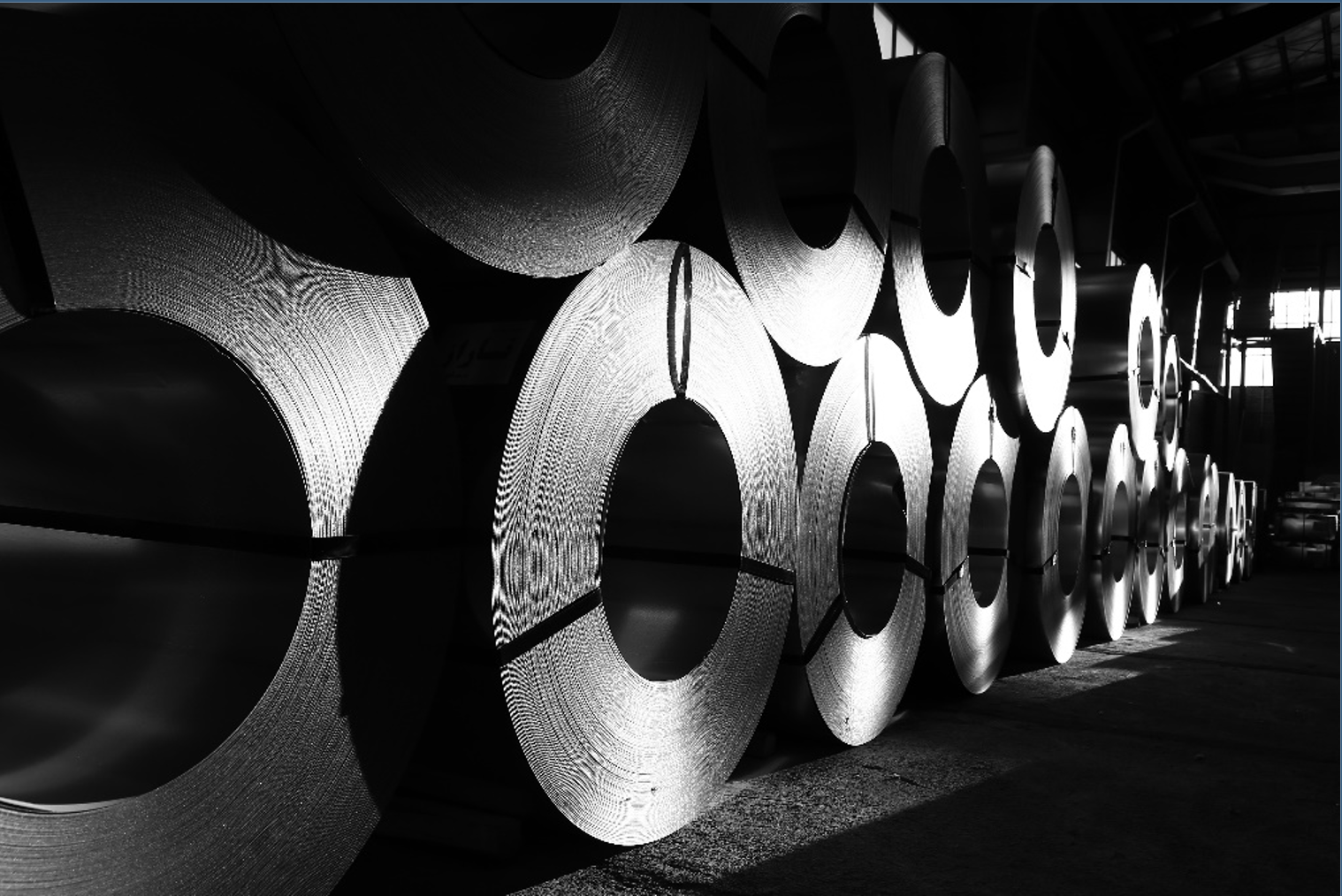
In March 2025, the Trump administration reinstated Section 232 tariffs on imported steel and aluminum at 25% across the board, eliminating the country-specific exemptions that had softened the impact for some buyers. Then, in June 2025, those tariffs were doubled — jumping to 50% on imported steel and aluminum, the highest level under this policy.
The stated rationale was protecting domestic production capacity and reducing reliance on foreign suppliers. The practical effect on the construction industry was immediate and significant. By January 2026, steel mill products had risen more than 20% year-over-year, and aluminum mill shapes — the category that covers much of what goes into architectural metals work — were up 33% compared to the prior year. Those are the largest increases since the supply chain disruptions of 2022, and they’ve shown no signs of reversing.
As of early 2026, U.S. steel capacity utilization has climbed to around 90%, which is considered tight. When domestic mills are running near maximum capacity, they don’t need to compete aggressively on price — and they aren’t. Construction input prices overall surged at a 12.6% annualized rate in early 2026.
What This Means for Architectural Metals
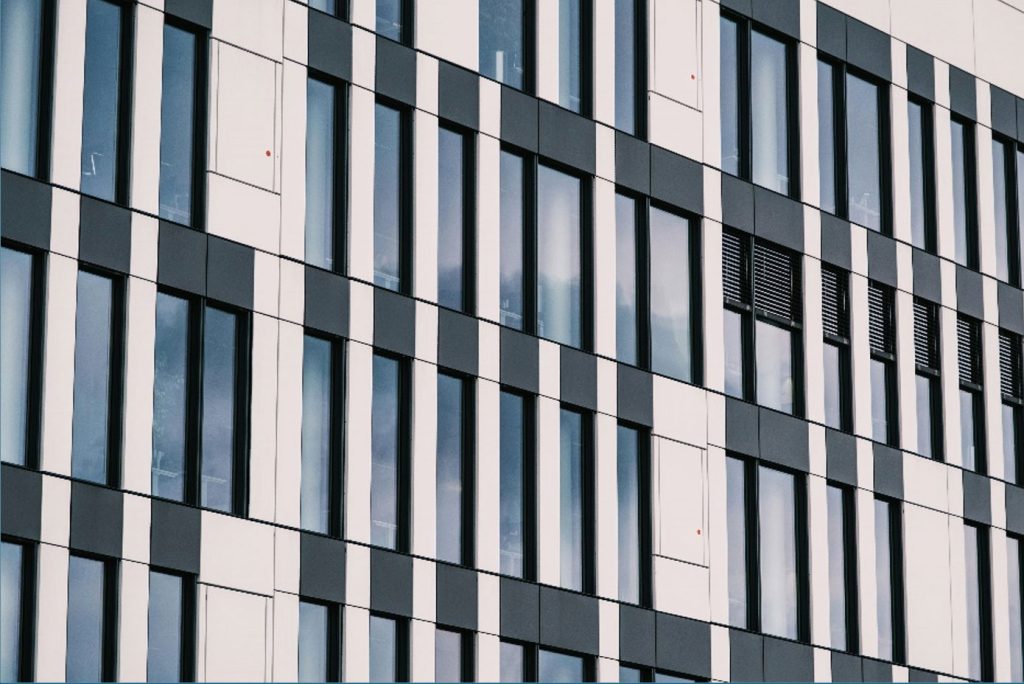
Architectural metals — the aluminum panels, steel column covers, brake shapes, copings, fascias, and specialty fabrications that finish the exterior and interior of a commercial building — are squarely in the crosshairs of these cost increases.
Aluminum is the primary material in most architectural metal panel systems, and it’s taken the biggest hit. A project that budgeted aluminum panel work based on 2024 pricing is likely looking at material costs that are meaningfully higher today. For larger projects, that difference can be substantial — industry analysis of a $375 million healthcare development found that aluminum tariffs alone added roughly $22 million to overall costs. Even on smaller commercial projects, the arithmetic has changed.
Steel-based components — brake shapes, flashings, trim pieces, certain column covers — have seen similar pressure, with structural steel and rebar prices up 25 to 30% from January 2026 levels alone.
Lead times have also been affected. Specialty aluminum products that used to have predictable availability are now running longer lead times in some cases, which has downstream implications for project scheduling and sequencing.
What You Can Do About It
The tariff environment isn’t going away in the near term, but there are practical steps that contractors, specifiers, and project owners can take to manage the impact.
Lock in pricing early. Material pricing that’s confirmed at the time of contract is pricing you’re protected from. Waiting to finalize fabrication orders while a project is in early design or permitting can mean absorbing significant increases by the time the order actually gets placed. Engaging your fabricator early — even for a preliminary budget number — gives you better information and sometimes an opportunity to hold pricing while the project moves forward.
Bundle orders where you can. Some contractors and GCs have found success combining expected orders across multiple upcoming projects into a single purchase to lock in pricing at scale. This isn’t always practical, but when it is, it can reduce exposure to further increases.
Revisit the specification if necessary. If a particular material or finish has seen an outsized price increase, it’s worth a conversation with the architect about whether an alternative meets the design intent. Sometimes the answer is no — the design calls for what it calls for. But sometimes there’s flexibility that wasn’t explored because the original spec was written before prices moved.
Build contingency into the budget. In an environment where prices are volatile, project budgets that don’t include material cost contingency are budgets that are likely to have problems. The days of assuming that a materials estimate from early design will hold through construction are on pause for now.
Work with a domestic fabricator with stable supply relationships. This one matters more than it might seem. A fabricator who sources domestically and has established supplier relationships is better positioned to quote accurately and hold pricing than one who’s been relying on imported material or spot market purchasing. It’s worth asking the question when you’re evaluating who to work with.
Where Astro Fits In
Astro Sheet Metal fabricates custom architectural metals from its shop in Grand Prairie, Texas, and has been doing so since 1967. Our valued suppliers have helped us navigate the tariff environment, allowing us to make sure we have sufficient access to raw materials.
We’re not immune to market pricing — no one is — but we can give our customers honest, current numbers and work with them to time orders and structure projects in ways that minimize cost exposure. If you’ve got a project in the pipeline with an architectural metals scope and you’re trying to figure out how to budget it in today’s market, that’s exactly the kind of conversation we’re glad to have. Reach out at astrosheetmetal.com/contact .
Astro Sheet Metal Co., Inc. has been fabricating custom architectural metals in Grand Prairie, Texas since 1967. We serve glazing contractors, curtainwall subcontractors, general contractors, architects, and property owners across the Dallas-Fort Worth and Austin markets.
There’s nothing more frustrating on a job site than finding that the brake metal you ordered is built incorrectly!