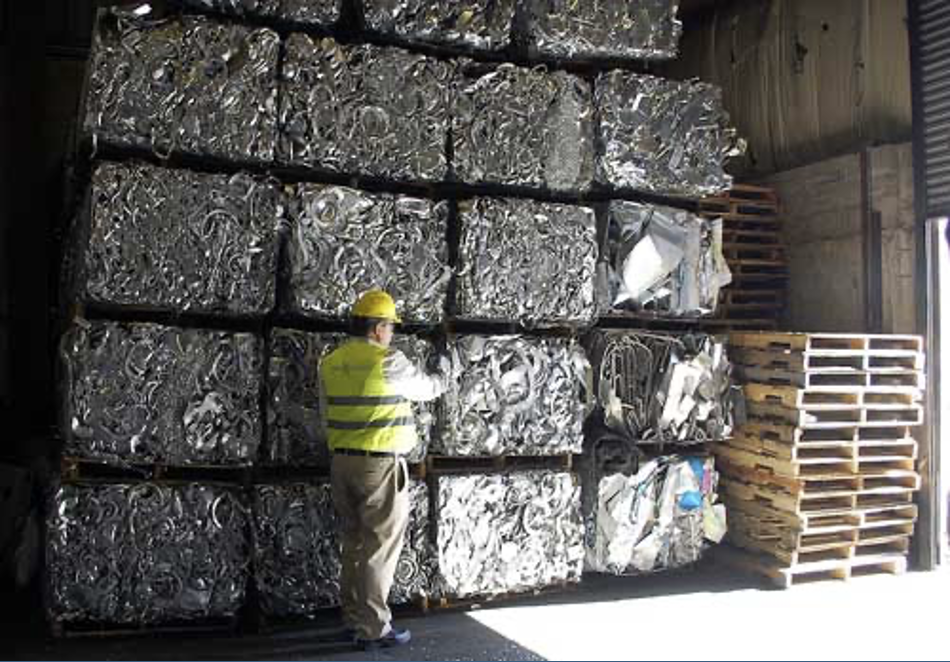
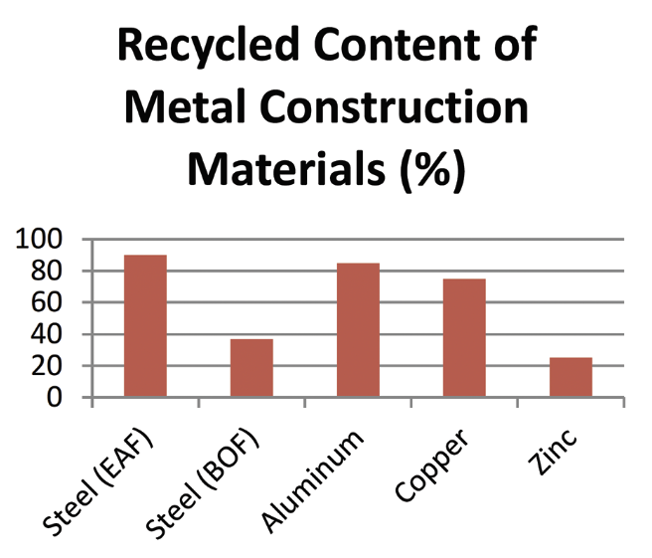
13 Apr Recycled Content in Architectural Metals: What to Know Posted at 07:00h in Metal Fabricating & Finishing by Eric Johnson Sustainability is a growing priority in construction, and architectural metals play a key role in environmentally responsible building practices. Why Metal Is a Sustainable Choice Many metals used in construction—especially aluminum and steel—are highly recyclable. In fact:Aluminum can be recycled repeatedly without losing qualitySteel is one of the most recycled materials in the worldThis makes metal a strong candidate for sustainable design. Understanding Recycled Content Recycled content typically falls into two categories:Pre-consumer (post-industrial): Scrap generated during manufacturingPost-consumer: Material recovered after end-useBoth contribute to reducing environmental impact. Benefits of Using Recycled Metal Incorporating recycled content offers several advantages:Reduced energy consumption during productionLower environmental footprintContribution to green building certificationsFor projects pursuing sustainability goals, this can be a significant benefit. Considerations for Fabrication While recycled content is beneficial, it’s important to ensure:Material quality and consistencyCompatibility with required finishesCompliance with project specificationsWorking with experienced fabricators helps maintain performance while supporting sustainability goals. Supporting Green Building Initiatives Architectural metals with recycled content can contribute to:LEED and other certification programsCorporate sustainability goalsLong-term environmental responsibilityAs sustainability continues to shape the industry, recycled metals will remain an important part of the conversation. Tags: continuous improvement leadership metal fabrication safety culture shop practices shop safety worker safety