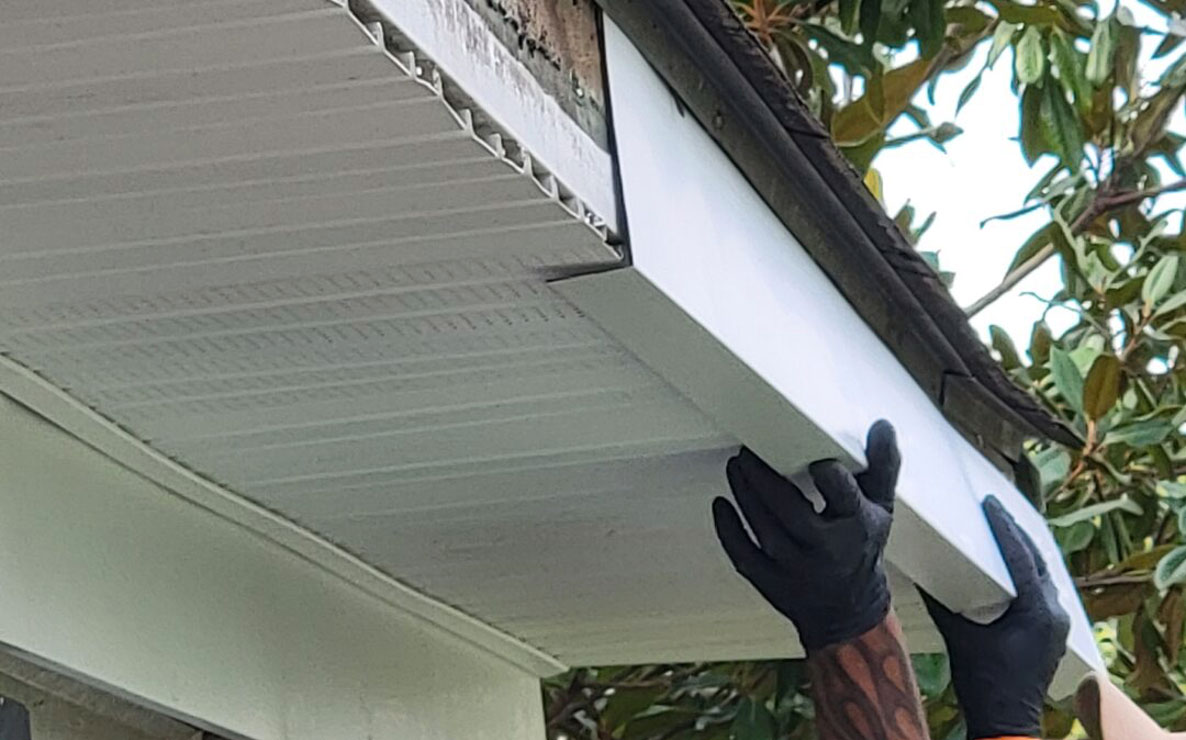
Brake metal plays a critical role in glazing, drywall, and waterproofing systems—but its success in the field depends heavily on fabrication quality.
Why Precision Matters
If brake metal is not fabricated precisely, a wide variety of issues can arise. For one, if long pieces of brake metal are not formed on quality press brakes, the angle can vary along the length of the part. Or, if a large profile is fabricated with metal that is too thin, the installed piece may exhibit “oil-canning.” Brake metal that is fabricated on a hand brake may also have a large bend radius, as opposed to a sharp, crisp bend radius that can be achieved on a press brake with sufficient tonnage. These types of problems can lead to field adjustments, or worse, remakes.
The Impact on Installation
When brake metal is fabricated correctly, installations go more quickly. When their pieces fit correctly, field modifications are minimized, and alignment between metal pieces or with adjacent materials is better. In addition, tighter seams mean less time spent caulking gaps. Often, the brake metal installation is one of the last items completed on a job site, so normally, time is of the essence. In cases like this, accurate brake metal can be a huge time saver.
The Bottom Line
High-quality fabrication doesn’t just improve the product—it improves the entire construction process. Investing in precision brake metal helps contractors stay on schedule, reduce risk, and deliver better results.