


17 Jul From Approved Submittal to Installed Metal: A Realistic Timeline
One of the most common scheduling mistakes on commercial construction projects is treating the architectural metals scope as something that can be compressed at the back end. The logic usually goes something like this: the structural work is running a little behind, so the schedule gets pushed, and somewhere in the squeeze, the assumption forms that the metals contractor can make up time.
Sometimes they can, but more often than not, they cannot, because custom architectural metal fabrication has a real sequence with real time requirements for each step. That sequence doesn’t bend much, regardless of what the master schedule says.
Understanding how the timeline actually works helps GCs build schedules that reflect reality instead of optimism. Here’s a realistic walk-through of the major phases, from approved submittal to installed metal.
Phase 1: Shop Drawings — Two to Four Weeks
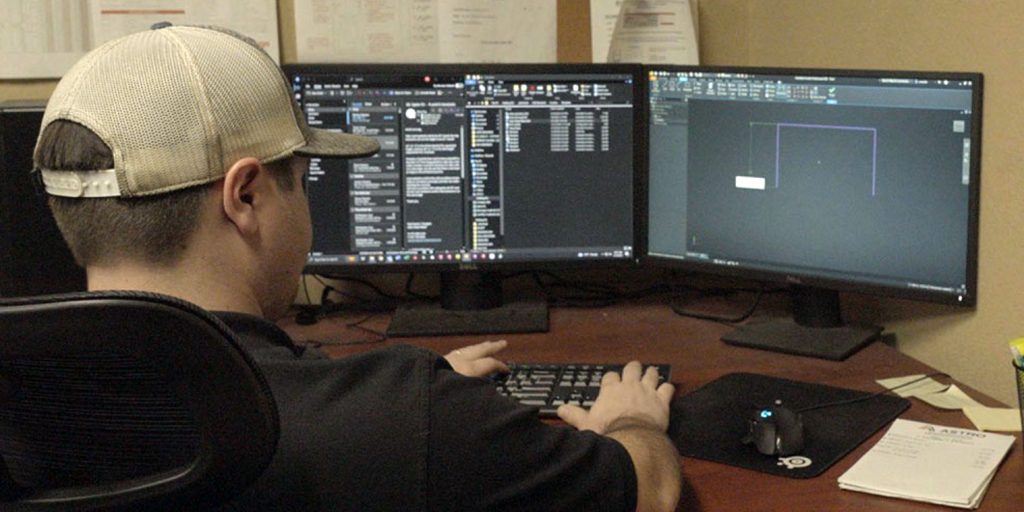
Before a single piece of metal gets cut, the fabricator needs approved shop drawings. Shop drawings translate the architect’s design intent into fabrication-ready information: exact dimensions, profiles, gauges, finishes, attachment details, and sequences. For a simple scope containing standard brake metal, repetitive profiles, and straightforward conditions, this phase can move quickly. For a complex scope involving custom panel systems, unusual geometries, or multiple material types, it takes longer.
The GC’s role in this phase is to make sure the shop drawing review process doesn’t become a bottleneck. Shop drawings submitted to the architect or engineer of record need to come back with a timely response. A turnaround time of seven to ten business days for the return of a first submittal is reasonable, though project contracts vary. Every round of revisions adds time. A submittal that comes back with significant comments, gets revised, and goes back for a second review can easily add two to three weeks to the schedule before fabrication even starts.
The faster submittal drawings can be returned to the metal fabricator, the faster the fabricator can turn those submittal drawings into actual fabrication drawings for the shop to use to build parts. .
Phase 2: Material Procurement — One to Three Weeks (Running Concurrently)
While shop drawings are in review, a good fabricator is working on material procurement in parallel. Lead times and availability for sheets, extrusions, and hardware can vary. Specialty sheet goods, a favorite of architects trying to put their unique stamp on a project, can often have lead times of 10-12 weeks. When things like tariffs and shortages come into play, lead times on some materials run longer than historical norms.
The important thing to understand is that fabrication can’t start until both the approved shop drawings and the material are in hand. If the shop drawing review runs long and delays the approval, it may not matter, but if the fabricator is able to place orders for materials early, while drawing review is in process, then overall lead time can be reduced.
This is one of the practical advantages of engaging your fabricator early in the project. With their input, material lead time concerns can be addressed before they become construction schedule problems.
Phase 3: Fabrication — Two to Six Weeks
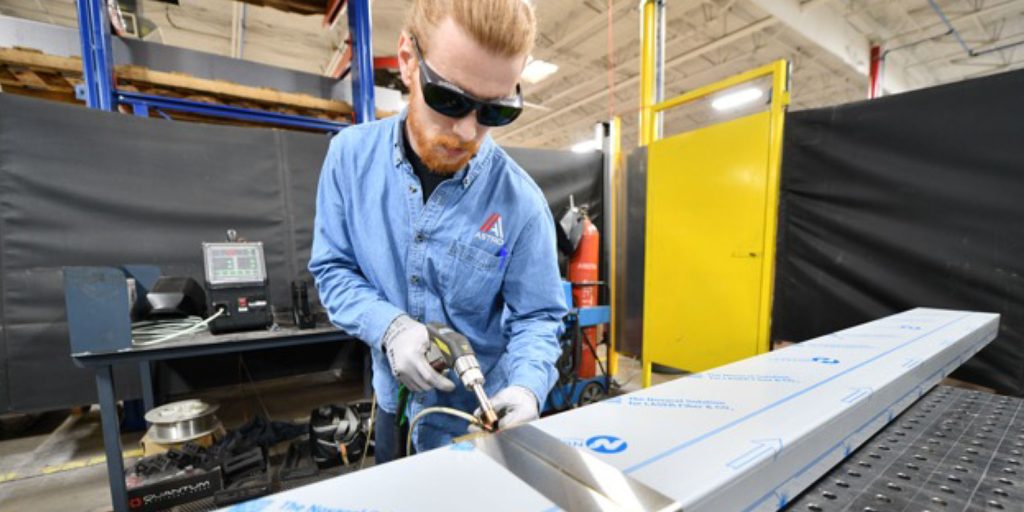
With approved shop drawings and material in hand, fabrication can begin. How long this phase takes depends on three things: the complexity of the scope, the volume of work, and the fabricator’s current capacity.
A simple brake metal order with standard profiles, straightforward dimensions, and no unusual finish requirements can normally be turned around within a couple of days. However, a complex custom panel system with multiple profiles, specialty finishes, and tight tolerances is a different story. For a mid-sized commercial project with a larger or more complex architectural metals scope, fabrication and custom finishing can take weeks to complete.
Fabricator capacity matters here in ways that aren’t always visible from the outside. A shop that is running at full capacity will have longer lead times than one with available bandwidth, and in a busy market like DFW right now, shops are busy. This is another reason to engage early. A fabricator who knows your project is coming can hold capacity for it. On the other hand, a fabricator who gets the order cold after a last-minute schedule compression has fewer options.
Phase 4: Delivery and Staging — One to Three Days
Custom metal panels and brake shapes are not packaged like commodity materials. Pieces are typically bundled, labeled, and palletized by installation sequence to make the field process as efficient as possible. A good fabricator coordinates delivery timing with the GC and the installing contractor so that material arrives when the site is ready to receive it. Delivery logistics matter more than they might seem. Architectural metals can be damaged by improper storage, and pieces that arrive too early can get buried under other materials or moved by other trades in ways that create problems. Coordinating delivery to match the installation sequence is a detail worth discussing with your fabricator before the job gets to that phase.
Phase 5: Installation — Varies Significantly
Installation duration is the most variable phase in the sequence because it depends on scope complexity, site conditions, crew size, and how well everything upstream went. A glazing contractor installing standard brake metal profiles in a straightforward storefront application works at a very different pace than a specialty crew installing a custom aluminum panel system on a high-profile facade.
What the GC can control is how well the site is ready when the metals crew arrives. Substrate conditions, access, sequencing with other trades, and a clear understanding of the installation sequence all affect how smoothly and quickly the metals work gets done. A metals installer who shows up to a site that’s not ready burns time that nobody has budgeted.
Adding It Up: What the Schedule Should Reflect
Working backwards from a desired installation completion date, a realistic planning model for a mid-sized commercial metals scope looks something like this:
- Installation: Schedule based on scope and crew
- Delivery buffer: Add one week before installation start for delivery and staging
- Fabrication: Add two to four weeks before delivery
- Material procurement: Overlaps with shop drawing review; flag long-lead items early
- Shop drawing approval: Add two to four weeks before fabrication start, including at least one review cycle
- Shop drawing production: Add one to two weeks before submittal
That puts the shop drawing submittal somewhere in the range of six to ten weeks before the target installation start for a typical commercial scope — and that’s assuming no significant hiccups in the review process. On complex projects with demanding specifications, the buffer should be longer.
The Conversation Worth Having Early
The GCs who have the smoothest metals installations are almost always the ones who had the schedule conversation with their fabricator before the project kicked off, not after. Understanding the realistic timeline for your specific scope, flagging any long-lead material concerns, and coordinating the submittal process early are the kinds of things that prevent the metals scope from becoming the critical path at the wrong moment in the project.
Astro Sheet Metal works with GCs across the Dallas-Fort Worth and Austin markets on exactly this kind of planning. If you’ve got an upcoming project with a metals scope and want to talk through a realistic schedule, reach out at astrosheetmetal.com/contact.