


02 Mar Three Ways to Reduce Stress on Architectural Metal Products
Construction is a challenging and often thankless field, and the projects that general contractors bring to life are remarkable, with a healthy dose of stress along the way. When it comes to custom metal fabrication, we see a few stress-inducing scenarios keep popping up on projects. In this article, we will share a few concepts that can help you reduce stress and help your project run more smoothly.
Low Bidder Is Not Always The Best Choice
Every construction project has a budget, and rising costs stretch it. By the time the project is nearing completion, funds are often lower than expected. This can lead some contractors to seek low-bid options to wrap up the project. However, this approach can be both costly and time-consuming.
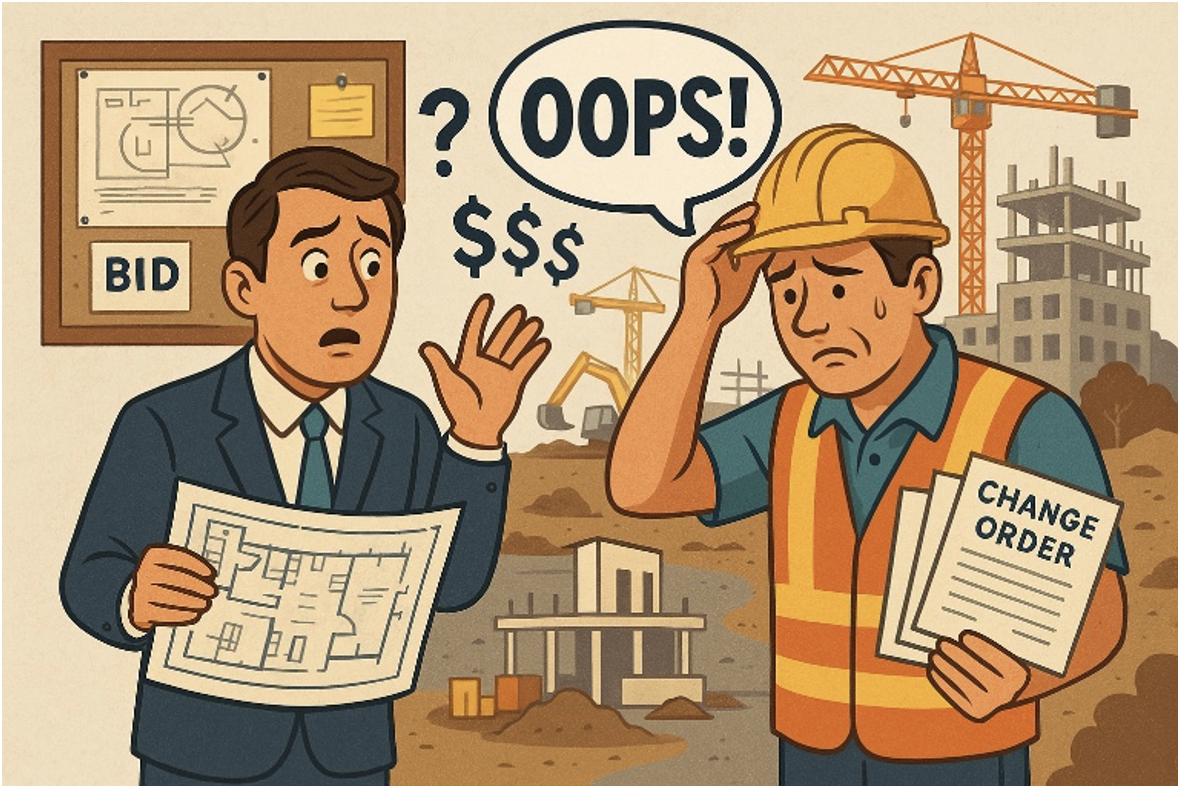
As an example, let’s say a project has a complex curved metal feature in the ceiling. Metal Fabricator “A.” not understanding the fabricating steps required to achieve the complicated geometry, bids the metal component at $10,000 and says they can have it done in a week. Metal Fabricator “B,” on the other hand, understands the steps and the timeframe involved to complete the job. They bid the metal component at $20,000, with a lead time of four weeks.
Here’s what we see in a lot of cases. The contractor goes with Metal Fabricator “A.” Once on site, they begin to understand the complexities involved. They will either attempt the complex fabrication and fail, or they will throw up their hands when they realize that they do not have the knowledge or experience to accomplish the job. The contractor is now stuck. They will either have to (I) Call Metal Fabricator “B,” in a panic, begging for help getting their project completed; or (II) Call Metal Fabricator “B” and see if they can persuade the fabricator to come and tear out shoddy work and replace it with quality work.
Contractors should realize: If it sounds too good to be true, it probably is. Save yourself a lot of stress and heartache, and hire an experienced metal fabrication company for those difficult features!
2) Architectural Metal Fabrication Often Needs To Be Field Measured Before Fabrication Begins
Every construction trade knows that construction components rarely jump into place as perfectly as they appear to be on architectural drawings. Every trade has generally acceptable tolerances, and those tolerances can aggregate by the time you get to the interior finishes. For this reason, architectural metal fabricators are often tasked with “squaring things up.”
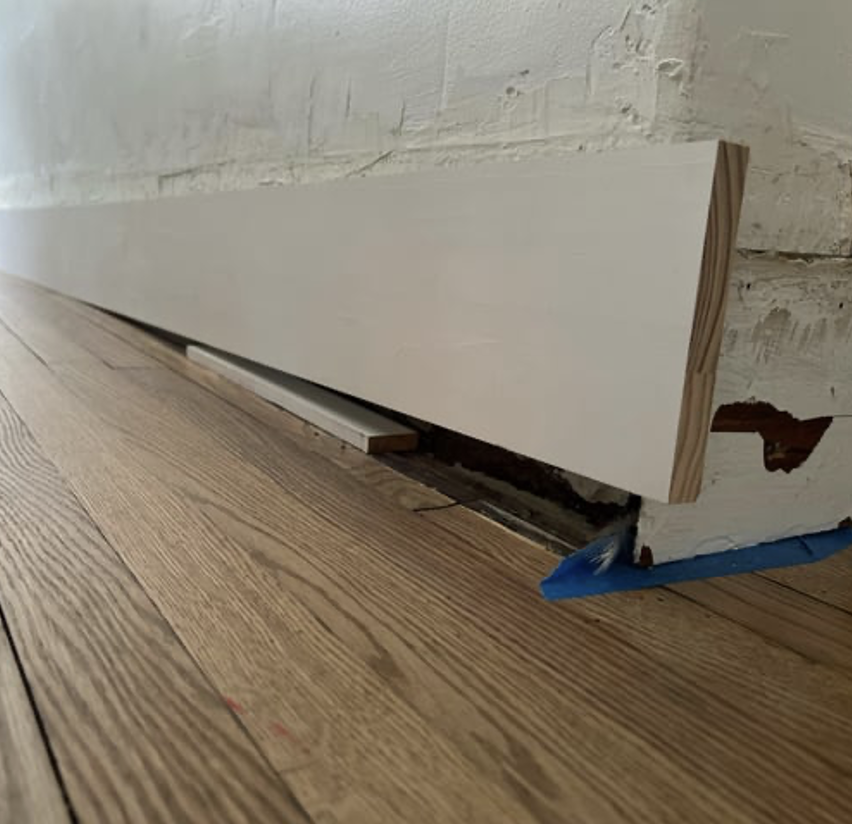
It seems that it would be easy to say, for example, “The elevator entry jambs need to be 12” wide,” and that a general contractor could release the fabricator to proceed with the fabrication of all of the jambs in the building. However, field measurement often reveals that, for example, the stock elevator entry is 1/8” out of plumb, and the wood base that abuts that entry has been left 1/8” short. This often means that, in order to avoid unsightly gaps, the architectural metal needs to be fabricated on a taper, to “hide” the inherent site imperfections.
If those decorative metal jambs were all fabricated ahead of time, the metal fabrication company installing them is likely to hear, “Those jambs need to be re-made – there are gaps,” when the architect does a walk-through. At that point, the options are either (A) Have the other trades come back out and rework their areas so that the pre-made metal jambs fit; or (B) Scrap the original jambs and re-make new ones that taper as needed.
The alternative to either of these two expensive options is: wait until the other trades are finished, and let the metal fabricator field-measure actual jobsite conditions when the site is ready for architectural metal. Can this cause the final release of an area to be delayed slightly? Yes. But, the two more expensive options also result in delays, and at higher costs.
Being realistic about the obstacles facing the “last trade in” and allowing sufficient time in the job schedule for them to do their work will result in less stress and a better looking final product.
3. Live” Finishes Are Different Than Coated Finishes
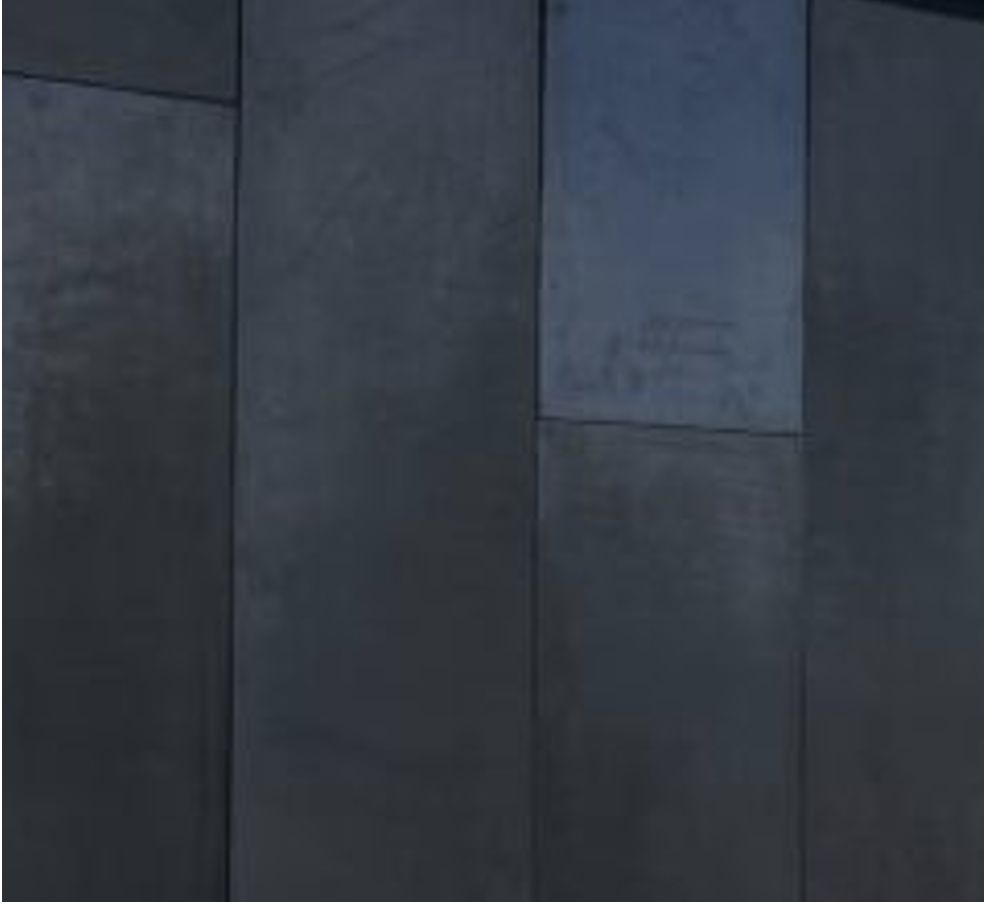
With a powder coated or kynar painted finish, an owner or architect can look at a small color sample and know exactly what they’ll be getting – a uniform color over the entire coated surface. However, when a “live” finish (such as blackened steel or antique brass) is selected, owners and architects should be aware that the actual fabricated metal features will likely not match their 4” x 4” finish sample exactly or uniformly. Subtle differences in the chemical composition of the sheets, even within the sheets themselves, can cause the metals to react differently to the finishing chemicals. Within the same sheet, you can have “light” or “dark” areas. In addition, streaked finishes are often accomplished by hand, not by machines, so large surfaces can have variations within them.
Keep these things in mind on your next architectural metals scope – you’ll be glad you did!