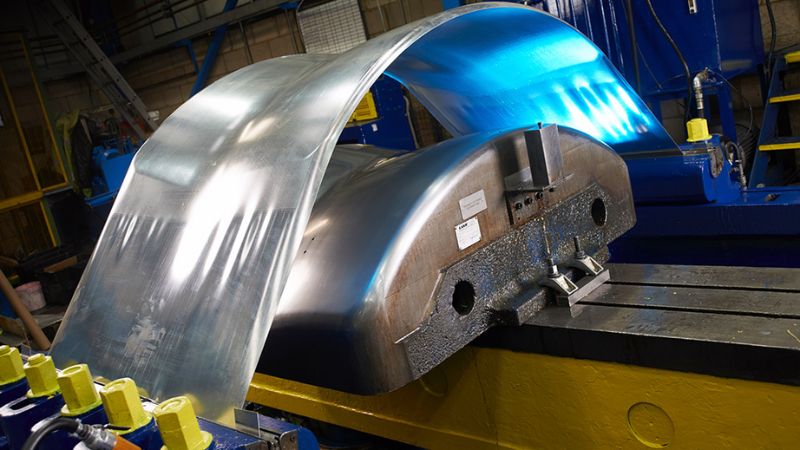
Here at Astro, we often see projects in their infancy. As designs begin to take shape, we sometimes get asked about the differences between aluminum and steel. Which is better? Which one is the least expensive? Today, we will try to shed some light on the differences between these two metals, so that you can begin your next project with some handy metal knowledge.
1. Strength
When considering strength, the correct material to use really depends upon the application. Steel, in general, is considered to be stronger than aluminum. It contains more carbon, and it is a denser metal. However, if weight is a concern, note that aluminum is roughly 1/3 as heavy as carbon steel. In some cases, such as in wind-resistant applications, the additional flexibility of aluminum can be an advantage.
2. Corrosion Resistance
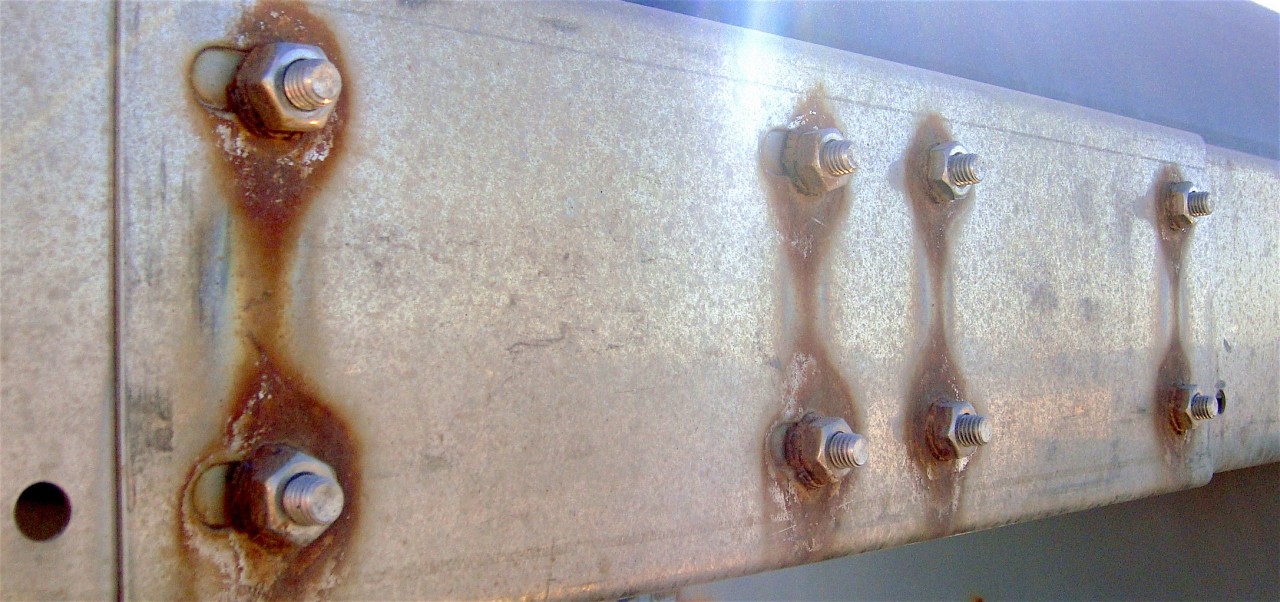
The simple answer is: Aluminum does not rust, and carbon steel does rust. Both materials naturally oxidize, but in aluminum, this “oxide film” tends to protect the metal. If steel is used in an area exposed to the elements, it must be coated (paint, galvanize, or powder coat) to prevent rust.
3. Cost
Both aluminum and steel are global commodities, so prices for both materials can fluctuate based on global supply and demand. Steel costs substantially less per pound than aluminum. However, aluminum is substantially lighter per square foot than steel. Prices can vary in both materials depending on alloys and availability. In general, steel is thought to be cheaper than aluminum.
4. Malleability
Aluminum is much more malleable than steel. Aluminum is less dense and more ductile than steel, so it can be stretched and formed more easily in most cases. Steel, on the other hand, contains a large amount of carbon, so it is generally more rigid than aluminum.
If you ever have questions during your design phase about whether aluminum or steel would be the better fit for your project, please feel free to reach out to Astro, and we will be glad to offer input and advice!