

14 Aug Designing Architectural Metals for the Texas Heat
North Texas heat affects almost every part of a commercial building, including the architectural metalwork.
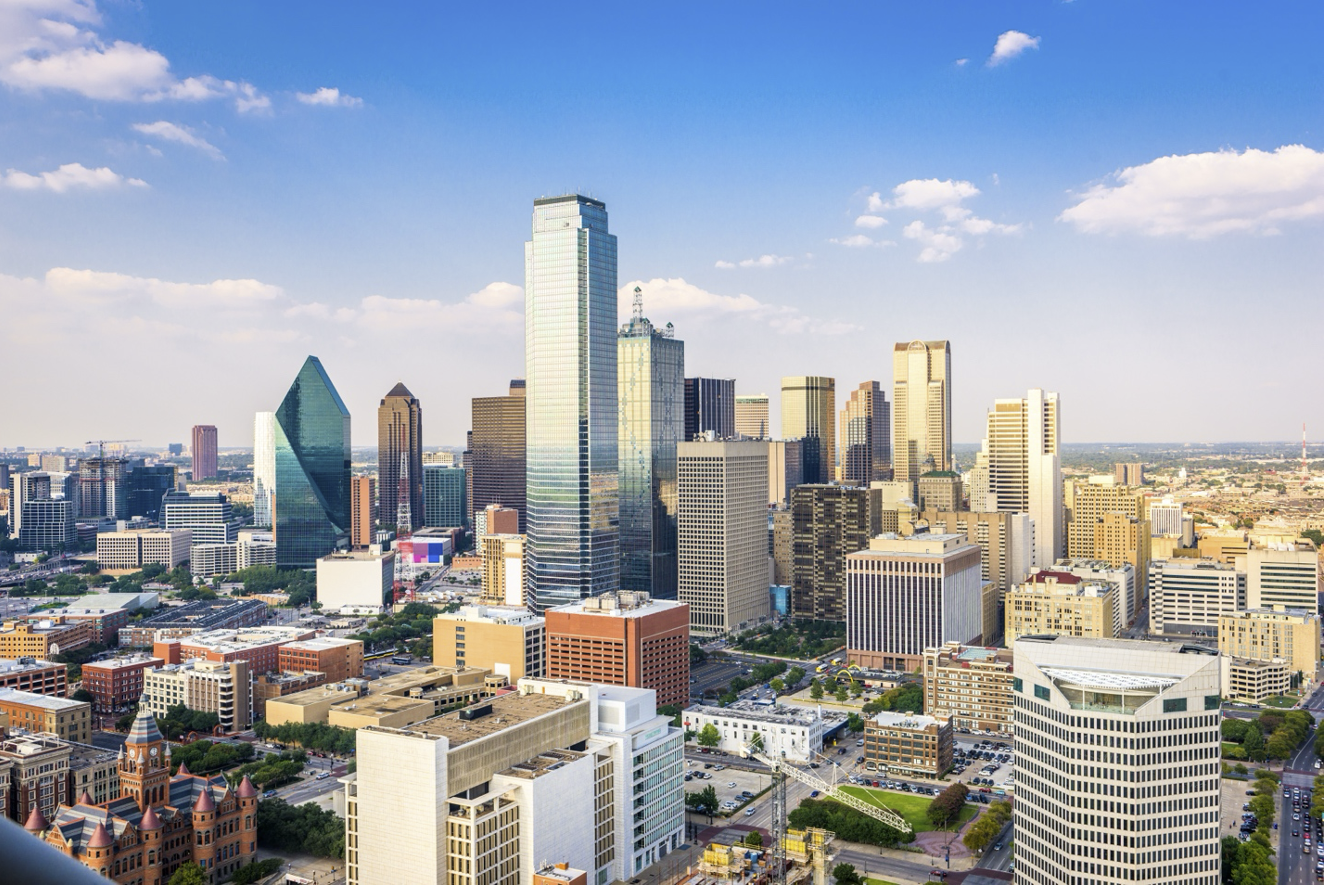
According to the National Weather Service, Dallas-Fort Worth averages approximately 20 days at or above 100 degrees each year. Normal afternoon highs reach about 96 degrees in July and August, and the region’s official record high is 113 degrees.
Those are air temperatures measured under controlled conditions. Metal panels, copings, flashings and other components exposed to direct sunlight can become substantially hotter than the surrounding air. The Metal Construction Association notes that a dark, low-gloss panel facing the summer sun can approach a surface temperature of 200 degrees under certain conditions.
That does not mean metal is a poor choice for Texas buildings. Aluminum, steel and other architectural metals are valued for their durability, corrosion resistance, strength and design flexibility. It does mean that exterior metalwork needs to be designed, fabricated and installed with temperature changes in mind.
Metal Moves When Its Temperature Changes
All common architectural metals expand as they get warmer and contract as they cool.
The amount of movement may seem small when looking at a short piece of trim. Across a long coping, fascia, canopy, or panel elevation, however, those small dimensional changes accumulate.
Different metals also move at different rates. The Metal Construction Association notes that aluminum experiences approximately twice the dimensional change of steel when both are exposed to the same temperature difference. The longer the uninterrupted piece, the more total movement must be accommodated.
Problems develop when a component is fastened so rigidly that it cannot move as intended. The expanding metal still has to go somewhere. Depending on the assembly, the result can include:
- Buckling or waviness
- Distorted joints
- Stress around fasteners
- Elongated fastener holes
- Open sealant joints
- Attachment fatigue
- Visible misalignment
- Water-management problems
The solution is not to eliminate thermal movement. That is impossible. The goal is to anticipate it and provide a controlled way for the metal to expand and contract.
Joints Are Part of the Design
Expansion joints are sometimes treated as interruptions in an otherwise clean architectural surface. In reality, they are part of what allows that surface to remain clean over time.
The appropriate spacing and configuration depend on several factors, including the type of metal, material thickness, profile, total length, attachment system, orientation, finish color and expected temperature range.
A long run of parapet coping, for example, should not necessarily be fabricated as the longest possible pieces simply to reduce the number of joints. Longer pieces may create fewer seams, but they also experience greater total movement and can be more difficult to transport and install without damage.
Panelization needs to balance appearance with fabrication, handling, installation and long-term performance. Joints should be intentionally located and coordinated with architectural lines whenever possible. A planned joint aligned with a column, window mullion or change in plane usually looks better than an emergency field cut added after the metal begins to resist the building.
Attachment Details Must Allow the System to Work
Fasteners do more than hold architectural metal in place. They also affect whether the system can respond properly to temperature changes.
Some assemblies use slotted holes, concealed clips, floating connections or a defined point of fixity that allows movement in a controlled direction. Standing-seam systems commonly require fastening methods that accommodate expansion and contraction while protecting the connection from fatigue.
Other custom-fabricated components may use overlapping joints, splice plates, cleats or receiver systems designed for the specific condition.
The correct attachment depends on the application and should be established by the architect, engineer, system manufacturer or other responsible design professional. The fabricator’s job is to understand the intended detail, identify apparent conflicts and produce components that allow the design to function as specified.
Fastener compatibility also matters. Metal roof and wall panels rely on correctly selected fasteners to produce a durable, weather-resistant attachment. Using an inappropriate fastener material, head style, or installation method can undermine an otherwise well-designed assembly.
Finish Color Affects Surface Temperature
Material choice is only part of the heat conversation. Finish color and reflectivity also influence how hot an exterior surface becomes.
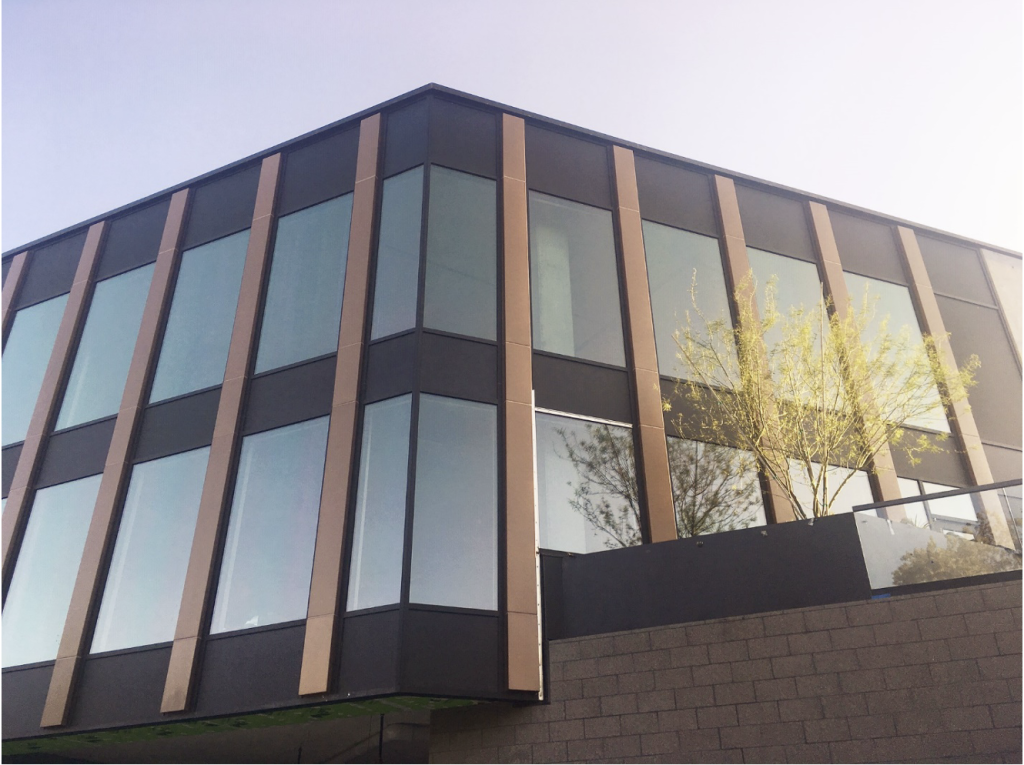
Dark and low-gloss finishes generally absorb more solar energy than lighter or more reflective finishes. Cool or reflective pigments can reduce heat absorption, even when the architectural design calls for a darker color.
That does not mean every North Texas building needs to be covered in bright white metal. Designers have many finish options, including painted aluminum, powder-coated components, anodized aluminum and stainless steel.
The important point is that finish selection should consider more than appearance. Location, exposure, orientation and the behavior of the complete assembly should also be evaluated.
Finish consistency is particularly important on large surfaces. Panels should be coordinated by batch where appropriate, and directional finishes should be fabricated and installed with a consistent grain orientation. Strong Texas sunlight can make even minor variations in color, gloss or grain direction more noticeable.
Understanding Oil Canning
One of the most common visual concerns with flat metal panels is oil canning: visible waviness across the broad, relatively flat portions of a panel.
Oil canning can occur in steel, aluminum, zinc, and copper systems. It is typically an aesthetic issue rather than a sign that the panel has lost its structural integrity. However, the effect can become especially noticeable under strong directional sunlight, which creates highlights and shadows across the surface.
Many factors can contribute, including:
- Material properties and thickness
- Wide, flat panel areas
- Forming stresses
- Uneven substrates
- Improper handling
- Over-tightened fasteners
- Restrained thermal movement
- Installation alignment
- Welding or finishing processes
No fabricator or installer can guarantee that every trace of oil canning will be eliminated. Careful material selection, panel design, fabrication and installation can nevertheless reduce its likelihood and severity.
For high-profile architectural areas, designers may also consider stiffening ribs, beads, reveals, smaller panel modules or textured finishes that make minor surface variation less apparent.
Field Conditions Still Matter
A perfectly fabricated component can still perform poorly when the field condition does not match the drawings.
Architectural metal is often installed after framing, waterproofing, glazing, masonry, roofing and other trades have completed much of their work. Each trade introduces normal tolerances. By the time the metal is measured, the actual opening or substrate may differ from the original design dimension.
Field verification helps the fabricator account for those completed conditions before cutting the material. Astro’s existing coordination guidance emphasizes that architectural metal frequently has to absorb the tolerances of the trades that came before it, making accurate field measurement an important step toward a clean installation.
This is especially important for long exterior runs, irregular parapets, canopies, transitions between wall systems and conditions where several materials meet.
Planning for North Texas Conditions
Successful exterior metalwork in North Texas begins well before material enters the fabrication shop.
The project team should consider thermal movement during design, coordinate joints and attachments during the shop-drawing process, verify critical field conditions and avoid placing unrealistic pressure on the installation crew to solve unresolved details onsite.
Astro Sheet Metal has fabricated custom architectural metals from its Grand Prairie shop since 1967. Astro provides fabrication-only services for brake metal, custom shapes and sheet-metal components, along with turnkey packages that can include field measurement, submittal and shop drawings, fabrication, delivery and installation.
Texas heat is not a temporary field condition. It is part of the environment in which the building must perform for decades. When thermal movement, finish selection, panelization and attachment details are addressed early, architectural metal can provide the durability and appearance North Texas projects demand.
For assistance with an architectural metals project in the Dallas-Fort Worth or Austin market, contact Astro Sheet Metal at 972-438-1110 or visit astrosheetmetal.com/contact.