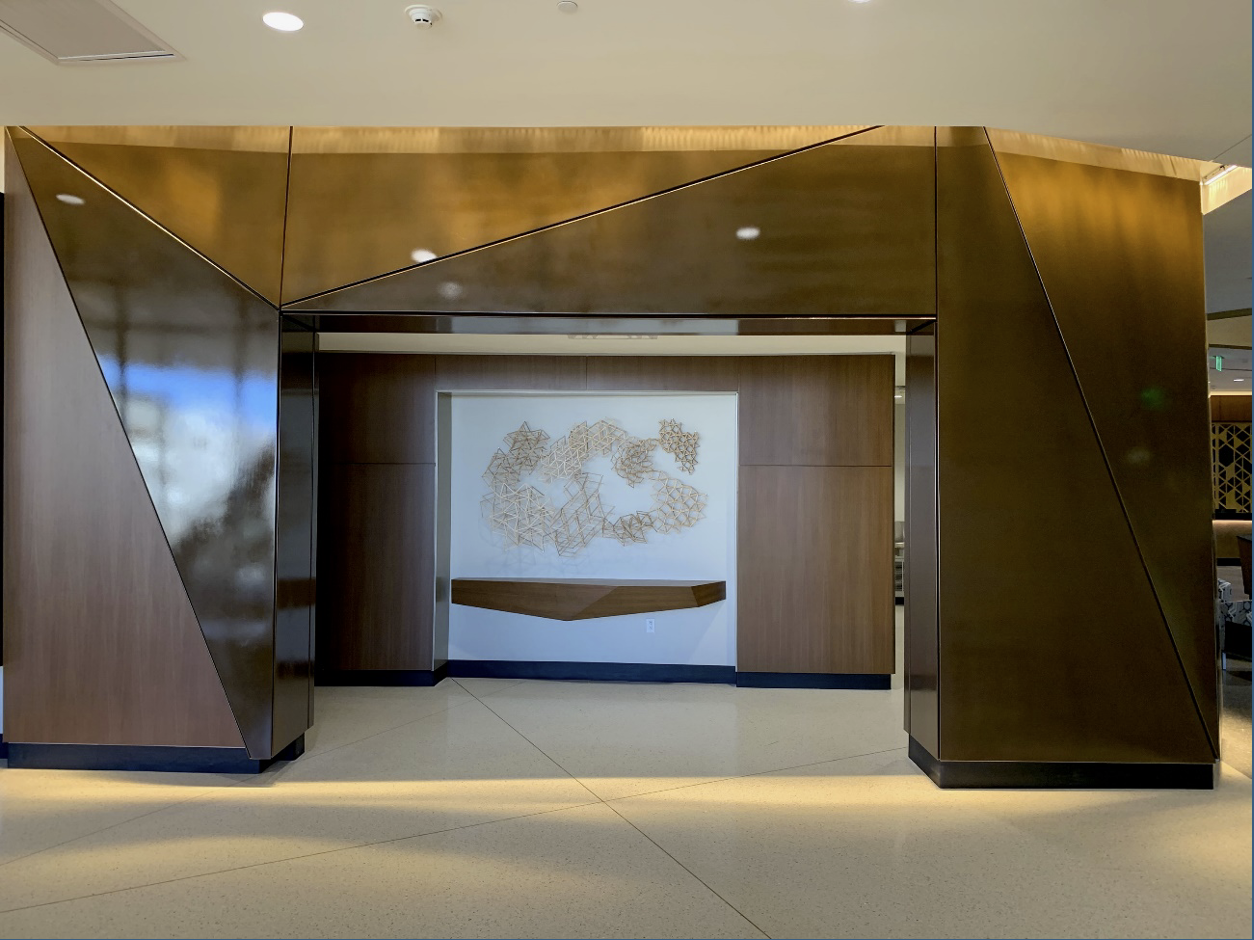
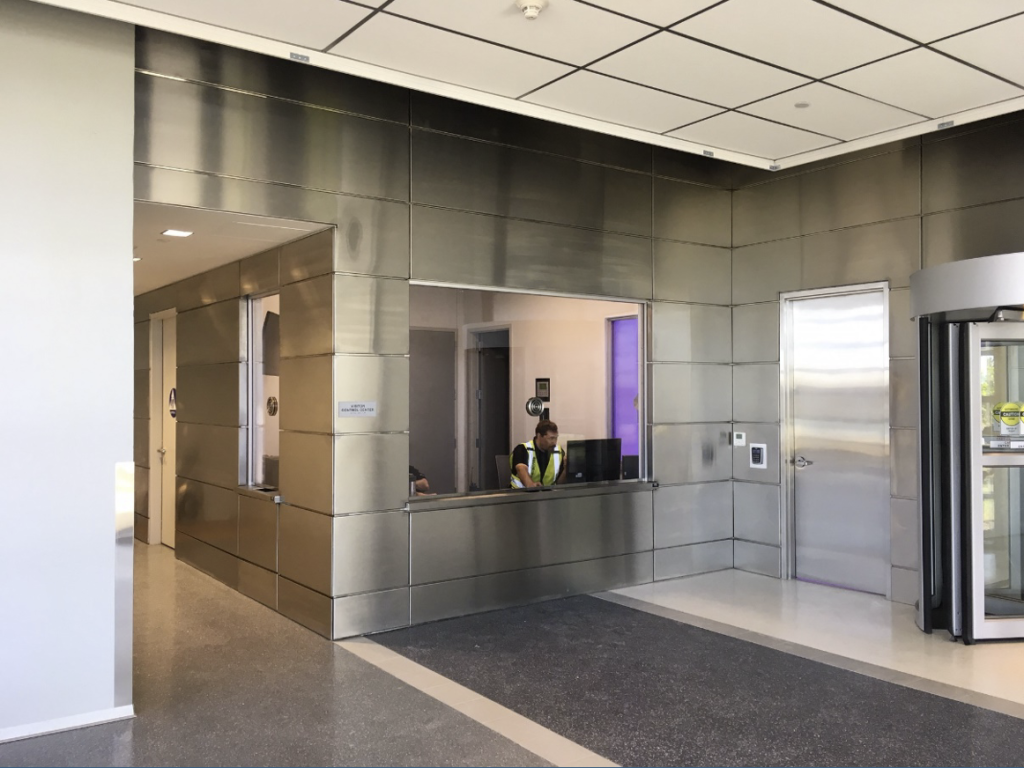
Feature walls have become a focal point in modern architecture—and metal is quickly emerging as one of the most impactful materials for creating them.
Current Trends in Metal Feature Walls
Designers are pushing the boundaries of what metal can do visually. Some of the most popular trends include:
Perforated panels for texture and light diffusion
Mixed finishes combining matte, brushed, and polished surfaces
Geometric patterns created through laser cutting or forming
Integrated lighting to highlight depth and dimension
Warm-toned metals that soften industrial aesthetics
These trends allow feature walls to serve as both artistic statements and functional elements.
Key Fabrication Considerations
Creating a successful metal feature wall requires careful planning and execution:
Panelization Strategy
Large feature walls must be broken into panels. Proper planning ensures:
Minimal visible seams
Consistent alignment
Efficient installation
Material Selection
Different metals behave differently:
Aluminum for lightweight applications
Stainless steel for durability and finish consistency
Galvanized steel for cost-sensitive projects
Finish Consistency
Variations in finish can be noticeable across large surfaces. It’s critical to:
Maintain consistent grain direction
Use controlled finishing processes
Coordinate batches carefully
Attachment Methods
Hidden fastening systems are often preferred for a clean look. Options include:
Z-clips
Standoff systems
Adhesive-backed panels (in specific applications)
Collaboration Is Key
Feature walls often intersect with lighting designers, millworkers, and general contractors. Early coordination helps avoid conflicts and ensures the final installation matches the design intent.
When done right, a metal feature wall becomes more than a design element—it becomes a signature piece of the space.